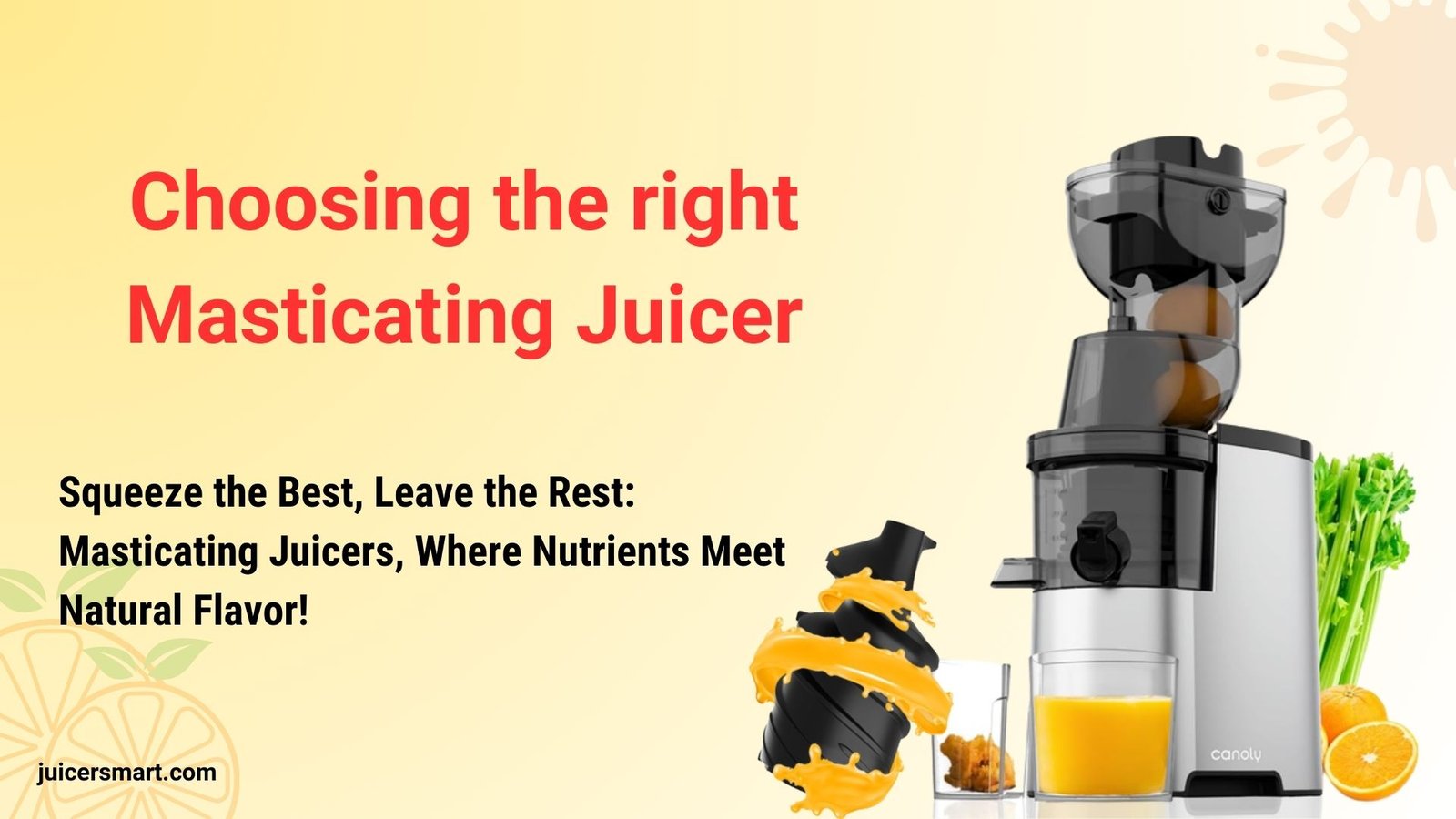
A masticating (slow) juicer crushes and presses produce with a slowly turning auger instead of shredding it at high speed. Slow juicers cost more than centrifugal models and differ a lot from one another, so the right one depends on what you juice and how much prep and cleanup you will put up with. This checklist walks through the decisions in order. If you already know what you need and just want model suggestions, go straight to our best masticating juicers shortlist.
The quick checklist
- Pick the juicer style that matches what you juice most.
- Decide how much chopping you will tolerate (feed chute size).
- Check the speed, but do not pay extra for small RPM differences.
- Count the cleaning steps.
- Measure your counter and cabinet space.
- Look for features that prevent jams.
- Compare warranty length and replacement-part availability.
- Set a budget that matches how often you will juice.
1. Start with what you juice most
The biggest difference between slow juicers is their layout, and each layout suits different produce.
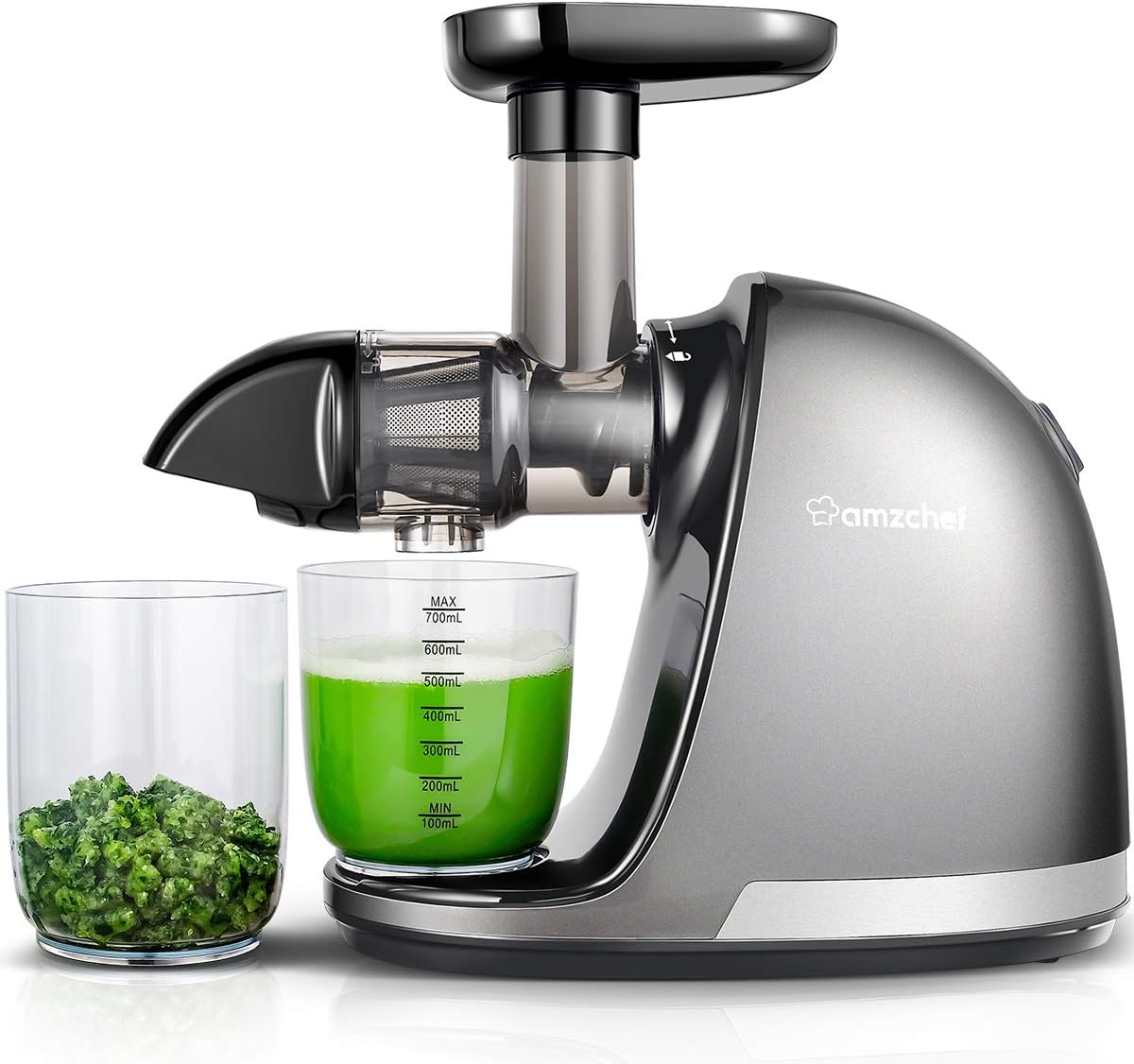
| Style | Best for | Trade-offs |
|---|---|---|
| Horizontal single auger | Leafy greens, wheatgrass, herbs; many also make nut butters and pasta with nozzles | Narrow chute means more chopping; takes up more counter length |
| Vertical single auger | Mixed fruit and vegetables, softer fruit, smaller kitchens | Can be less efficient with very fibrous greens such as wheatgrass |
| Vertical whole-fruit (wide chute) | Less prep and bigger batches | Larger and usually more expensive |
| Twin gear (triturating) | Getting the most juice from greens and hard vegetables | Slowest, most expensive and most parts to clean |
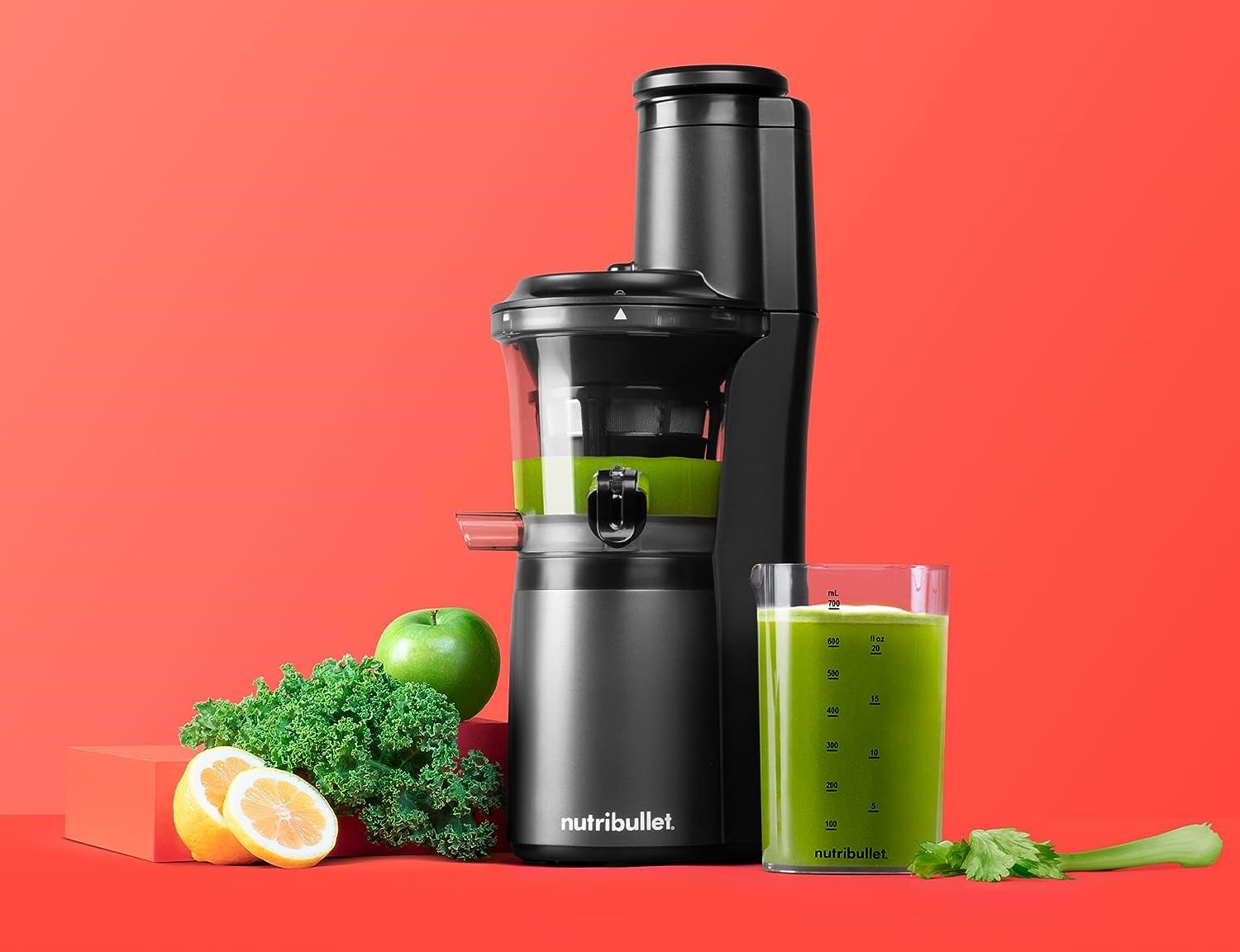
If most of your juice is green, a horizontal or twin-gear model is the safer choice. If you juice a mix of fruit and vegetables and want a smaller footprint, a vertical model usually fits better.
2. Decide how much chopping you will tolerate
Feed chute size has more effect on daily use than almost any other spec. Horizontal juicers usually have narrow chutes, so apples, carrots and celery need cutting into pieces. Whole-fruit vertical models take much larger pieces, which saves time but costs more. Be honest about your mornings: a juicer that needs ten minutes of prep tends to end up in a cupboard.
3. Check the speed, but do not overpay for it
Most masticating juicers turn at roughly 40 to 100 RPM, compared with thousands of RPM for a centrifugal juicer. Within that slow range, the auger design and screen matter more than a few RPM either way. Treat speed as a basic requirement, not a reason to pay a premium.
4. Count the cleaning steps
Cleaning is the most common reason people stop juicing. Before you buy, check how many parts come apart, whether they are dishwasher safe, and whether a cleaning brush is included. The juicing screen takes the longest to clean, so rinse it straight after use before pulp dries in the mesh.
5. Measure your counter and cabinet
Vertical juicers are tall but take up little counter space. Horizontal juicers are low but long, and need room for a juice cup and pulp cup at each end. Check both height under your wall cabinets and depth before ordering.
6. Look for features that prevent jams
- Reverse function: backs the auger out when fibrous produce gets stuck.
- Adjustable end cap or pulp control: lets you change pressure for soft or hard produce.
- Juice cap or spout stopper: lets you mix juices in the chamber and avoid drips.
7. Compare warranty and replacement parts
Warranties on slow juicers vary widely, from a year or two on budget models to 10 or 15 years on some premium models. Read what is covered: some warranties cover the motor for longer than the plastic parts. Also check that screens, augers and gaskets are sold as replacement parts, because these wear first.
8. Set a budget that matches how often you will juice
If you are trying juicing for the first time, a budget slow juicer is a reasonable experiment. If you already juice several times a week, spending more on a model with a longer warranty, better yield and easier cleaning usually pays off.
Common mistakes to avoid
- Buying a horizontal juicer for mostly soft fruit, or a basic vertical juicer for daily wheatgrass.
- Ignoring cleaning time because the juice yield looks impressive.
- Choosing on wattage. Slow juicers rely on torque and gearing, not high power.
- Not checking whether replacement screens are still sold for older or discontinued models.
Ready to compare models?
- Best masticating juicers: our shortlist of slow juicers.
- Omega J8006HDS: a horizontal model for greens.
- Kuvings C7000S: a whole-fruit vertical model.
- Tribest Greenstar Elite GSE-5050: a twin-gear model.
- Not sure you want a slow juicer at all? Read cold press or centrifugal: which should you buy?